
We and many others criticized a law firm in October for taking the position that its cease and desist letters, also known as nastygrams, were copyrighted and thus could not be posted intact on the web by its targets. However, if a press release from that law firm is correct, a federal court in Idaho has just indeed taken the position that cease and desist letters may be covered by copyright law. Such a ruling, if upheld, would make it more difficult for the targets of bullying tactics by lawyers to rally online support for their cause. (TechDirt, Jan. 25; Slashdot, Jan. 26; Dozier Internet Law press release, PRWeb, Jan. 24).
More: “if a press release from the law firm is correct” turns out to be a big if: according to Ron Coleman at Likelihood of Confusion, as well as our own commenters, the Idaho federal court ruling falls far short of establishing any such proposition about these letters’ being copyrightable. See also: Victoria Pynchon, IP ADR blog, TechDirt later post, Paul Alan Levy @ CL&P. And yet more: Marc Randazza, Eugene Volokh.
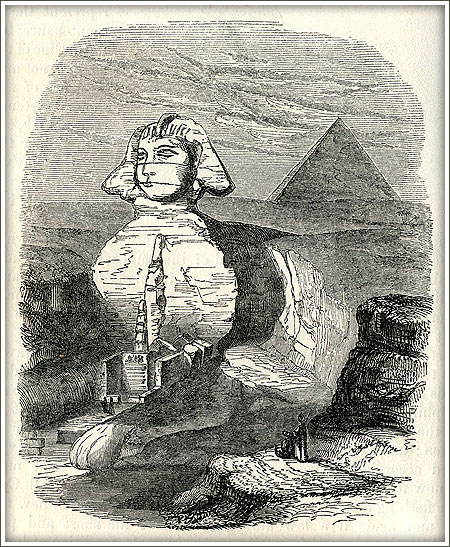 make copies, even for private use, of the country’s famous monuments, scarabs and other Pharaonic survivals. “His comments came only a few days after an Egyptian opposition newspaper, Al-Wafd, published a report complaining that many more tourists each year travelled to the pyramid-shaped Luxor hotel in Las Vegas than to Luxor itself. The newspaper proposed that the US hotel should pay some of its profits to Luxor city.” However, Hawass said that copies of pyramids and other objects that were less than “exact” might escape a royalty obligation, which might get the back of the U.S. one dollar bill off the hook. (Rory McCarthy, “Egypt to copyright the pyramids and antiquities”, Guardian,